Invite fireflies to your garden with basics like providing healthy soil, keeping leaf litter, limiting light pollution, and avoiding pesticides.
When we choose to support healthy ecosystems, the same tips apply—whether we’re helping moths, monarchs, or any other species.
How Gardeners Can Help Fireflies
Fireflies (also called lightning bugs or glowworms) are those familiar summer-night bugs known for their magical, flickering lights.
When we talk about fireflies, we’re actually referring to a large group of over 2,400 beetle species in the Lampyridae family. They live on every continent except Antarctica and vary widely in appearance and behavior.
In recent decades, fireflies appear to be in decline, likely due to issues like habitat loss, pesticide use, and increased artificial light at night that also affect countless other species.
On a positive note, there are things we can do to support their lifecycles in our gardens and the top tips start right under our feet as you’ll see.
I’m happy to say the firefly population in our garden has dramatically increased in recent years.
I’ve never had backyard lights (light pollution disrupts nocturnal animals) or used pesticides, but since going all-in on no-dig gardening and avoiding walking in my garden beds (unless absolutely necessary), we’ve gone from dozens to hundreds of fireflies flashing their lights at night during mating season.
This increase may be coincidental but, given all the benefits of gardening this way, I wouldn’t change a thing.
Why Do Fireflies Flicker?
All fireflies glow at some stage in their lifecycle but which stage varies by species.
Some glow as eggs, larvae, or pupae, likely as a warning to potential predators that they’re not good to eat.
Most adult fireflies flash to find a mate. Males fly around emitting species-specific light patterns, hoping a female will respond with a flash of her own.
But not all flashes are what they seem—some female fireflies mimic other species to lure in males, not for romance but for a meal (they eat them!).
1Avoid Pesticides Entirely
Avoiding pesticides and herbicides is arguably the single most important thing we can do to support biodiversity in any garden.
Pesticides and herbicides threaten fireflies directly and indirectly:
- Direct toxicity to larvae or adults.
- Killing prey (like slugs and worms) that larvae feed on.
Even so-called “natural” solutions like Bacillus thuringiensis israelensis (Bti), used to control mosquitoes, are considered “less harmful” only because of limited data—not because they’re proven safe. Using fireflies as an example: with over 2,400 species worldwide, we have little to no data on how Bti (or other products) might affect them.

2Leave the Leaves (and a Bit of Mess)
Just like butterflies, fireflies go through complete metamorphosis:
egg → larva → pupa → adult
While adults live just 2–4 weeks, the larvae live in the soil or leaf litter for months to two years prior to that, making their early life stages the most critical to support.
Firefly larvae thrive in moist, undisturbed environments, such as those found under fallen leaves, in leaf mold, or tucked into rotting logs.
- Leave some leaf litter and allow natural garden “mess,” like a wilder corner of the yard or some rotting logs and decaying organic matter. These provide excellent firefly habitat.
- Focus on shady or quiet spots in the yard where the ground can remain cool and damp.
Not only does this protect larvae, but it also helps retain soil moisture and supports other members of the garden ecosystem. - Ease up on the lawncare. Mowing less often, using raised blades, and leaving more natural edges all support biodiversity, including fireflies.

3Turn off the Lights (or Dim Them)
The light fireflies emit is incredibly efficient. It is produced through a chemical reaction in the body that creates almost no heat, making it even more energy efficient than LED bulbs.
Nighttime light pollution is disruptive to countless nocturnal animals.
Fireflies rely on darkness to communicate using light signals for mating.
Light pollution, even at low levels, disrupts their ability to see and send those signals.
- Limit outdoor lights to essentials and use bulbs recommended by wildlife conservationists.
You can find specific tips here. Even red lights, sometimes sold as “firefly-friendly,” have been shown to inhibit firefly signaling. If you must have lights, make them dim and focused—pointing downward. Timers or motion sensors can help reduce how long they’re on. - Provide shade. Growing a diverse selection of trees, shrubs, and vines not only provides food and habitat for wildlife but larger plants can cast shadows and block light from neighboring houses and patios.

4Don’t Dig Unless You Must
We’ve all heard about “no-dig” gardening where gardeners have found that it’s beneficial to disturb the soil as little as possible. Yes, of course, we dig to plant a plant, but old routines like tilling for the sake of tilling are likely unnecessary prior to sowing.
The longest part of a firefly’s lifecycle is the larval stage and that’s spent in the soil or nestled in leaf litter.
This makes them vulnerable to digging, tilling, or other disturbances.
- Switch to no-dig or low-disturbance gardening methods. Not only is it better for wildlife but you’ll save time and energy.

Not All Fireflies Flash Alike
Depending on where you live, firefly displays, as they flicker and glow, can look very different—or may not happen at all.
In eastern North America, you’ll often see scattered, random flashes on summer evenings. But in some rare areas, like Tennessee’s Smoky Mountains, a special species (Photinus carolinus) puts on a show of synchronized flashing, where thousands of fireflies light up in unison. This spectacular display draws visitors from around the world—and it’s so popular that the U.S. National Park Service runs a lottery system each year for a chance to witness the event in person.
Some other species—including those found in western North America and parts of Europe—don’t flash at all as adults. Instead, they rely on chemical signals (pheromones) to find mates. That means you might have fireflies in your garden without even knowing it.
Summary
If you want to support fireflies in your garden, it starts with creating the right habitat. These light-producing beetles rely on dark skies, moist soil, and pesticide-free environments to complete their long life cycle.
Here’s what gardeners can do:
- Learn which fireflies live in your region so you know what to expect and how to best protect them.
- Avoid all pesticides and herbicides, including “natural” ones, to protect both adult fireflies and the prey their larvae feed on.
- Leave the leaves and allow decaying organic matter to remain in undisturbed corners of the garden.
- Reduce artificial lighting at night, especially during mating season.
- Limit soil disturbance by practicing no-dig gardening and mowing less often.
- Plant a variety of trees and shrubs to create shade and moisture-rich microclimates.
These small changes can make a big difference—and with time, you just might be rewarded with the soft flicker of fireflies lighting up your garden.
Resources
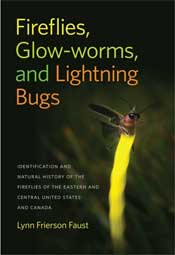
Fireflies, Glow-worms, and Lightning Bugs
Identification and Natural History of the Fireflies of the Eastern and Central United States and Canada
by Lynn Frierson Faust
Listen
In this episode we explore the world of fireflies. With over 2400 identified species, there are interesting variations including when (and why) they glow and their evolutionary adaptations.
Want Pollinators in Your Garden?
- Choose plants, trees, and shrubs used by local wildlife for food and habitat during all stages of life. Options will be different in each growing region.
- Avoid products like pesticides that are toxic to pollinators and other animals in the food chain.
- Keep it natural: sustainable gardens are not tidy. Dead and decaying things nourish living things.
Might your neighbors object? This shares how to warm them up to the idea.
More Tips
- How To Welcome Dragonflies To Your Garden
- The Surprising Benefits of Moths in Your Garden
- The Incredible Journey Monarchs Make to Your Garden (& What They Need)
- Why Hummingbirds Are Avoiding Your Feeders
- Tips for Creating a Wildlife Pond & Garden
Resources
- This study found that certain spiders trap fireflies in their webs to attract food.
~Melissa the Empress of Dirt ♛