Garden myths cause needless stress. Discover 10 common garden worries you can ignore and where to focus instead for a healthier, more productive garden.
From supposed calcium problems to the unfounded use of Epsom salts, garden myths are everywhere—and most of us have fallen for a few.
Garden “Problems” That Aren’t Really Problems
No matter how experienced we are, gardening has a way of humbling us. Every season is unpredictable, bringing different mixes of successes and failures. But that unpredictability is part of the appeal—gardening is both an art form and a sport rolled into one.
The trouble is the gardening world is also crowded with folklore and half-truths that pile on unnecessary stress. Nature creates its own drama—we don’t need to add to it!
Take companion planting charts, for example: suddenly it’s not enough to meet a plant’s needs for sun, water, and soil—you’re also expected to map out who can sit next to whom, to make sure everyone gets along.
The good news is many of these so-called rules are either inaccurate, way too generalized, or so far removed from fact that you can safely cross them off your worry list and get back to what matters: basic, sensible gardening.
1Companion Planting
The idea of companion planting pops up in countless gardening books, websites, and forums. You’ll find long lists of plants that supposedly “like” or “dislike” each other, turning basic garden planning into a confusing puzzle. The problem? Most of these lists are folklore, not fact.
The few examples that do have scientific backing come from specific studies in agriculture, greenhouse production, or controlled lab settings—far removed from the realities of home gardens. It’s a stretch to apply those narrow findings to a backyard bed with different plants, animals, and growing conditions.
Do yourself a favor and set aside the companion charts. Focus instead on the fundamentals: sun, soil, water, air, and enough time and space to grow. Meet each plant’s basic needs, and you’ve already planted them right where they need to be.

2Watering in Hot Sun
You may have heard the old advice: don’t water plants in the hot sun—it’ll scorch the leaves. This is a garden myth that just keeps going!
Water droplets don’t act like magnifying glasses this way and they won’t burn your plants.
In fact, if your soil is dry on a hot day, it’s better to water right away. The longer you wait, the drier the soil becomes—and the harder it is for plants to bounce back.

3Planting With Lunar Cycles
Gardening by lunar phases may sound poetic, but there’s no scientific evidence to support it. The moon does affect tides and light—but it cannot micromanage when your seeds sprout or how your tomatoes grow.
Again, we’re best to stick start with good seeds or transplants and provide proven basics (right soil, temperature, light, moisture, timing, and spacing). If you wait for a specific lunar cycle to plant, there’s no proven gain and those other fundamentals will likely be off.

4Bugs Eating Plants
Readers of the Empress of Dirt often send in garden questions and one of the most common is some version of:
How do I stop bugs from eating my plants?
Based on my reply, I may not be the person they’re hoping to ask—and here’s why.
Over time, my focus has shifted from trying to create a picture-perfect ornamental space to supporting a healthy, functioning ecosystem. In other words, I let go of the old, human-controlled gardening style I grew up with in favor of something more natural and sustainable.
No More “Good Bug, Bad Bug”
That change came with a deeper appreciation for how plants and animals interact. These relationships are far more complex than we fully understand, and in most cases the presence of insects or other creatures isn’t a problem—it’s nature doing what it’s supposed to do.
We can’t have plants without bugs, and we can’t have bugs without plants.
Cosmetic damage like lacey leaves isn’t a crisis; it’s survival in action. When we step back and let nature do its work, the garden is better for it.
Of course, there are exceptions. A few species—often invasive ones—can cause serious harm, especially when they’re destroying trees or devouring crops. In those cases, I recommend taking it bug by bug: learn what you’re dealing with, check what local conservation authorities recommend, and always skip pesticides and herbicides.
Sometimes the solution is simple, like hand-picking. Other times it means changing course. With Asiatic lily beetles, for example, I eventually gave up on growing those lilies altogether.
Even so, many of my native plants still get chewed up—and that’s part of their role in the ecosystem. They feed wildlife, which in turn supports the broader web of life. And despite the nibbled leaves, I still enjoy plenty of beautiful flowers.
If caterpillars in particular make you cringe, it may help to remember how essential they are for birds. Just one brood of baby birds can consume thousands of caterpillars before leaving the nest. The survivors become butterflies and moths, continuing the cycle. If we wipe them out, what then?

5Acidic Pine Needles
Yes, pine needles are acidic—while they’re still on the tree. But once they drop and begin to decompose, they quickly lose that acidity.
That’s why concerns about pine needle mulch (or “pine straw”) changing your soil pH are unfounded.
If you have pine straw, know it’s a perfectly good mulch option and won’t acidify your soil.

6Vegetable Crop Rotation
If companion planting lists of “friends and foes” haven’t already scrambled your garden layout, crop rotation will gladly finish the job.
Crop rotation makes a lot of sense in large scale farming, where acres of a single crop are grown year after year. But in small, diverse home gardens, it’s not very practical—and probably not necessary.
The benefits seen on farms (like pest and disease control or nutrient balancing) don’t translate well when you’re moving plants just a few feet. Pests can fly, spores can travel, and cold winters knock out many common pathogens anyway.
Unless you’re growing a large volume of a single crop in the same spot every year, rotation won’t make much difference. You’ll get better results by focusing on soil health. Add compost, plant a variety of crops, and grow what thrives in your conditions. That’s a much simpler path to a productive garden.

7Ratty Compost
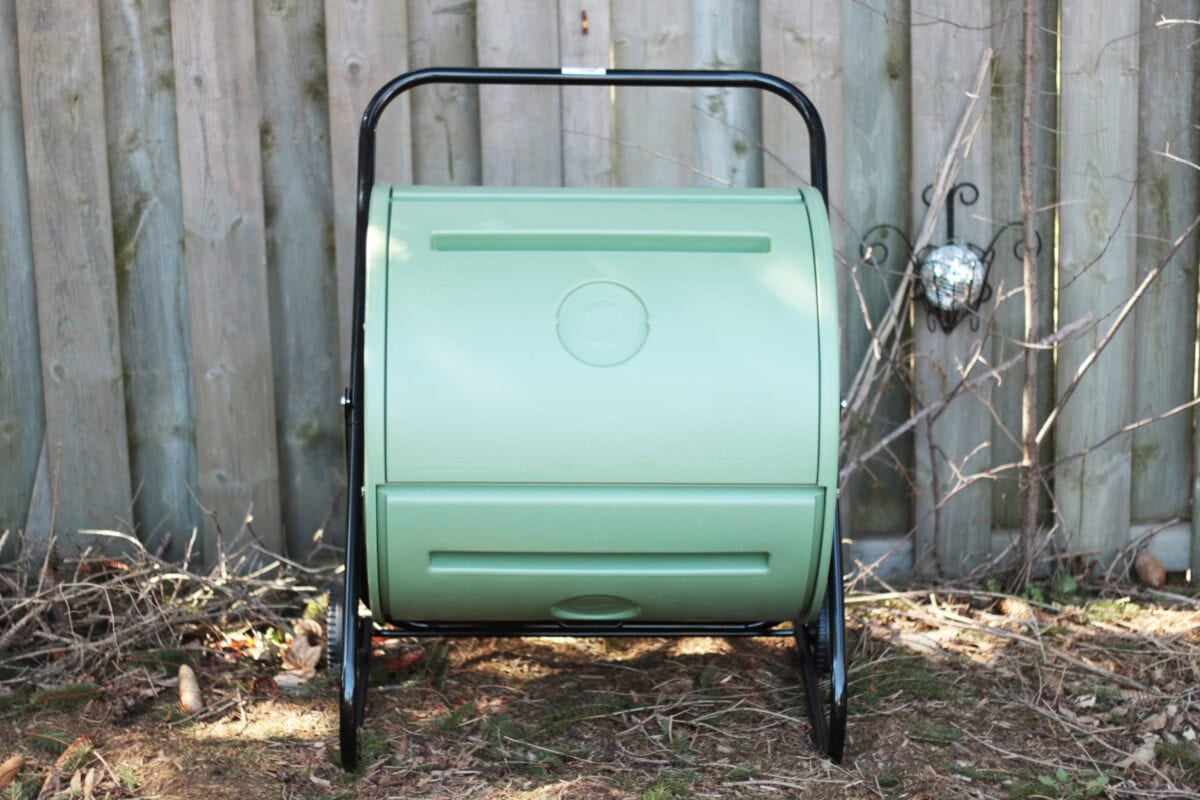
If the thought of attracting rats or other critters is the one thing stopping you from composting fruit and veggie scraps, eggshells, and coffee grounds, I’ve got good news.
An enclosed system—like a tumbler compost bin—solves the problem. I’ve used mine for years, and it’s proven completely rat-proof. They can’t chew through it and they can’t get in. Sorry, mice and rats—you’re out of luck.
8Mandatory Pruning
There’s a long-held belief that certain plants must be pruned every year—as if annual trimming is automatically beneficial. But that’s not quite true.
If a plant has dead, damaged, diseased, or badly crowded branches, go ahead and remove them anytime. Beyond that, it depends on the species. Some plants respond well to shaping or rejuvenation pruning, while others may be harmed—or lose a season of flowers or fruit—if pruned the wrong way or at the wrong time.
Unless you’re familiar with your plant’s growth and bloom cycle, it’s all too easy to cut off next year’s display by mistake. When in doubt, hold off. Winter is an ideal time to research proper techniques for your species—and, for some, it’s also the best season to prune. Others may never need pruning at all.

9Growing Near Walnut Trees
A common misconception is that nothing will grow near a large walnut tree because of juglone, a natural chemical the tree produces.
In my experience, that’s not the full story. My garden (which is now 15+ years old) surrounds a massive black walnut, and I’ve grown hundreds of plants nearby. I’ve found it no different than growing near any other species of mature trees.
In my (unscientific) opinion, the actual challenge is competition for light, water, and space. A large tree brings dense roots below and deep shade above. But with the right choices—shallow-rooted plants that tolerate part shade—things grow just fine.
Would I ever plant a walnut tree on purpose? Probably not—but only because of the endless walnuts to clean up in mast years, not because of juglone.

10Tree Stumps & Decaying Branches
When I was growing up, if a tree was dying it was expected to be removed, stump and all, ground down to leave no trace of regrowth.
Today, we understand things differently. Dead and decaying trees are just as important to garden life as living ones.
Old stumps and fallen branches provide food and shelter for countless organisms—from microbes and insects to birds and mammals. Over time, they’re broken down and recycled into nutrient-rich material.
Some communities still have strict rules against leaving yard debris, even when it’s tucked away out of sight. But if you have the option, keep those old snags, logs, and leaves—they’re invaluable for the natural world. And if the rules forbid it, consider pushing for change. Earth-friendly policies benefit not just our gardens, but generations to come.

Resources
Eco-Beneficial Gardening Books
I recommend these books because they get gardeners excited about ecological gardening and the incredible relationships between plants and animals. Our future is in our hands!


1 The Pollinator Victory Garden | Kim Eierman | Win the War on Pollinator Decline with Ecological Gardening; Attract and Support Bees, Beetles, Butterflies, Bats, and Other Pollinators
2 A Garden for the Rusty-Patched Bumblebee: Creating Habitat for Native Pollinators: Ontario and Great Lakes Edition | Lorraine Johnson, Sheila Colla | All the information gardeners need to take action to support and protect pollinators, by creating habitat in yards and community spaces, on balconies and boulevards, everywhere!
3 The Gardener’s Guide to Native Plants of the Southern Great Lakes Region | Rick Gray and Shaun Booth | Distills all the information essential for growing 150 species of garden-worthy native plants into a single, at-a-glance guide.
4 Bringing Nature Home: How You Can Sustain Wildlife with Native Plants | Doug Tallamy
5 Garden Allies: The Insects, Birds, & Other Animals that Keep Your Garden Beautiful and Thriving | Frederique Lavoipierre
6 The Humane Gardener: Nurturing a Backyard Habitat for Wildlife (How to Create a Sustainable and Ethical Garden that Promotes Native Wildlife, Plants, and Biodiversity) | Nancy Lawson
~Melissa the Empress of Dirt ♛