Make the most of fall and winter with these outdoor garden projects for cold climates. Some have time crunches, while others add winter beauty or prep for a successful spring.
If you need more fall tips also see the printable Fall Gardening Checklist here.
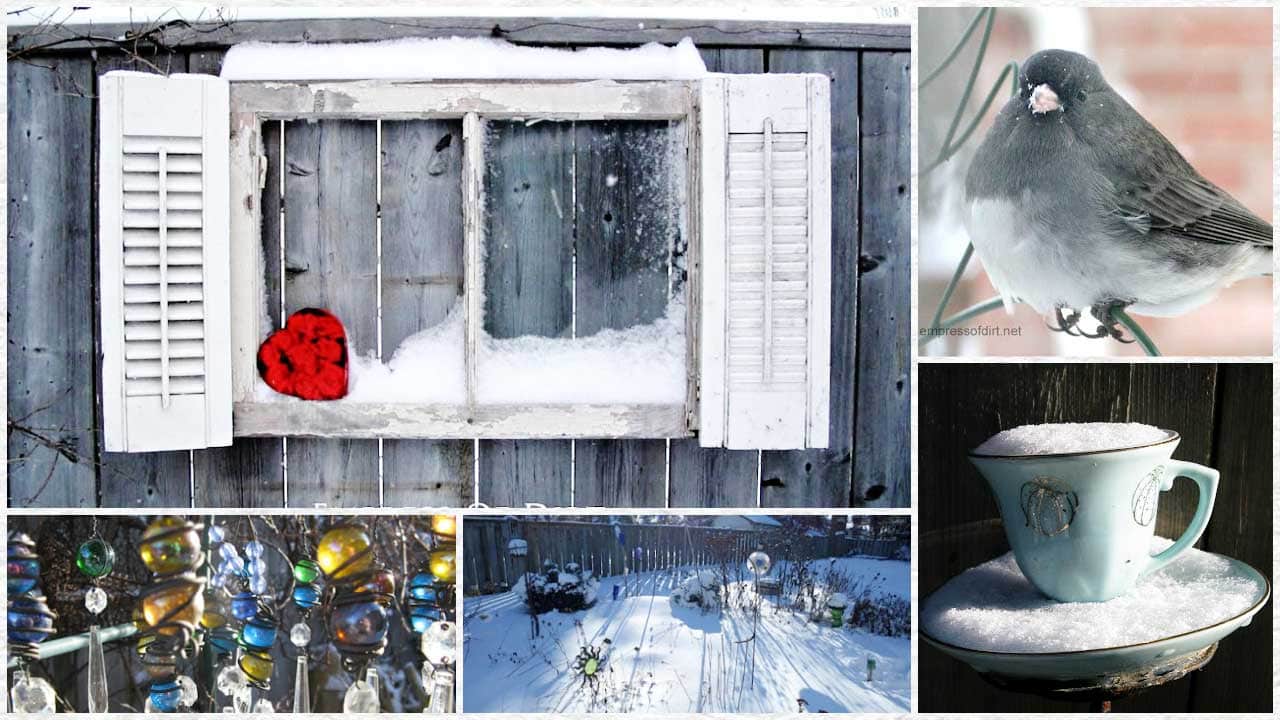
Let Winter Work For You
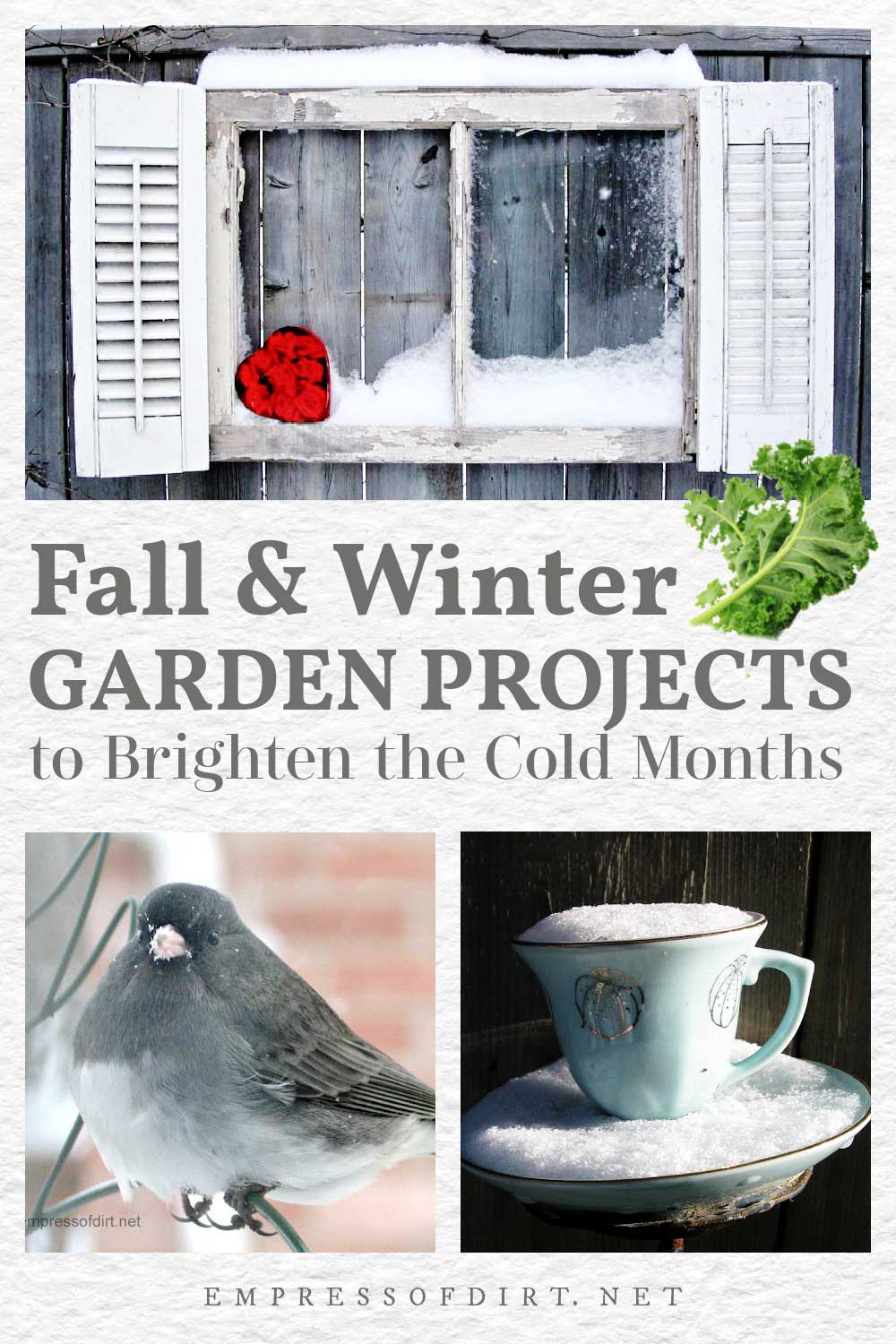
If you live in a cold climate like I do, there are advantages to each season—but you have to catch them while you can.
This list provides ideas for creative gardeners to get the most from their winter garden.
Some of the ideas are time-sensitive and must be done before the ground freezes or spring thaw begins. Others add beauty to the season or are simply easier to do before we’re wading through snowdrifts.
If you haven’t already, be sure to grab a copy of the Fall Garden Task List. It breaks things down by priority—from must-dos, to nice-to-do, to the ones better saved for spring.

1Prep Vegetable Beds for Spring Planting
- Clear out weeds and top beds with compost or mulch so they’re ready to go as soon as the soil warms in early spring.
While I leave my garden “messy” through fall and winter—which is essential for wildlife—spring vegetable prep is my one exception.
By getting everything ready now (raised beds and containers), I know I’ll be ready when that first mild spell hits and it’s time to sow early cold-tolerant crops like peas.
2Plant Seeds & Bulbs
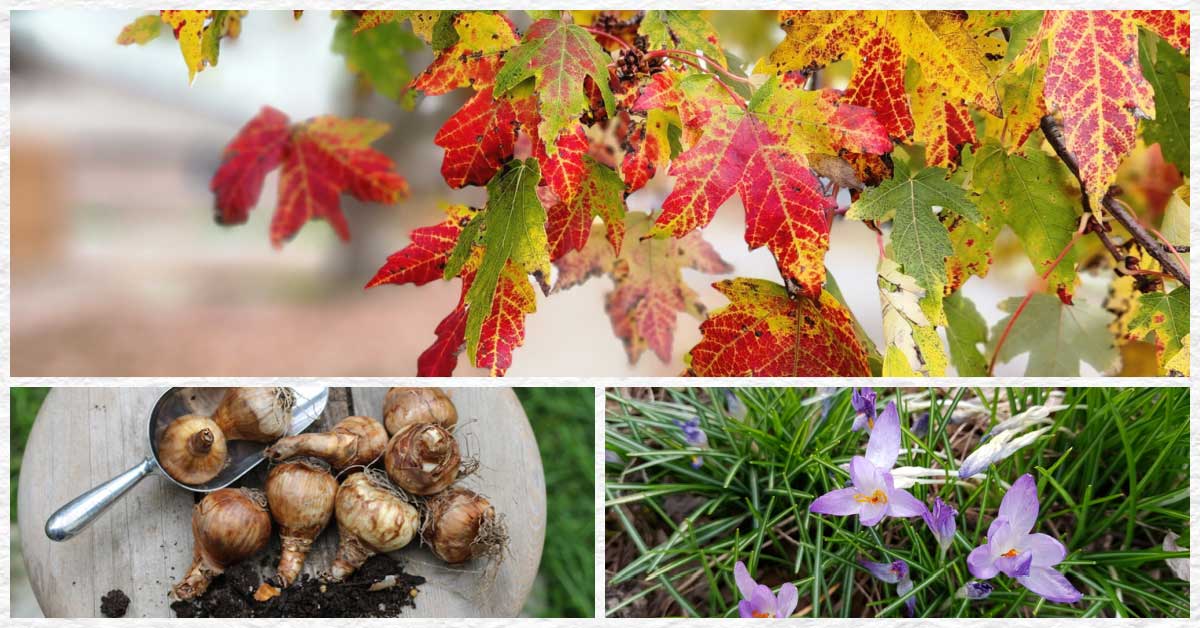
- Now’s the time to plant hardy bulbs like tulips, daffodils, and garlic, as well as any seeds that require a cold or moist period to germinate—a process known as cold stratification.
Because we never know exactly when the ground will freeze for the winter, your best bet is to look up your average first frost date (see Resources) and count back several weeks to set a work date.
This has a handy list of flower seeds to sow in fall.

3Grow a Winter Vegetable Garden
- Cold frames, poly tunnels, straw mulch, and row covers can all help extend the growing season.
If you’re lucky (luckier than I am), you have a local plant nursery that sells young, cold-tolerant vegetable plants in late summer and autumn so you can easily plant a winter vegetable garden.

4Use Your Greenhouse (If You Have One)
- Create a little garden oasis in your greenhouse.
Greenhouses are obvious winter storage spots for patio furniture and whatnots, which is fine, but if it has a heat source, there are a lot of winter growing options as well. And why not experiment with winter vegetable growing in there?

5Try Winter Sowing
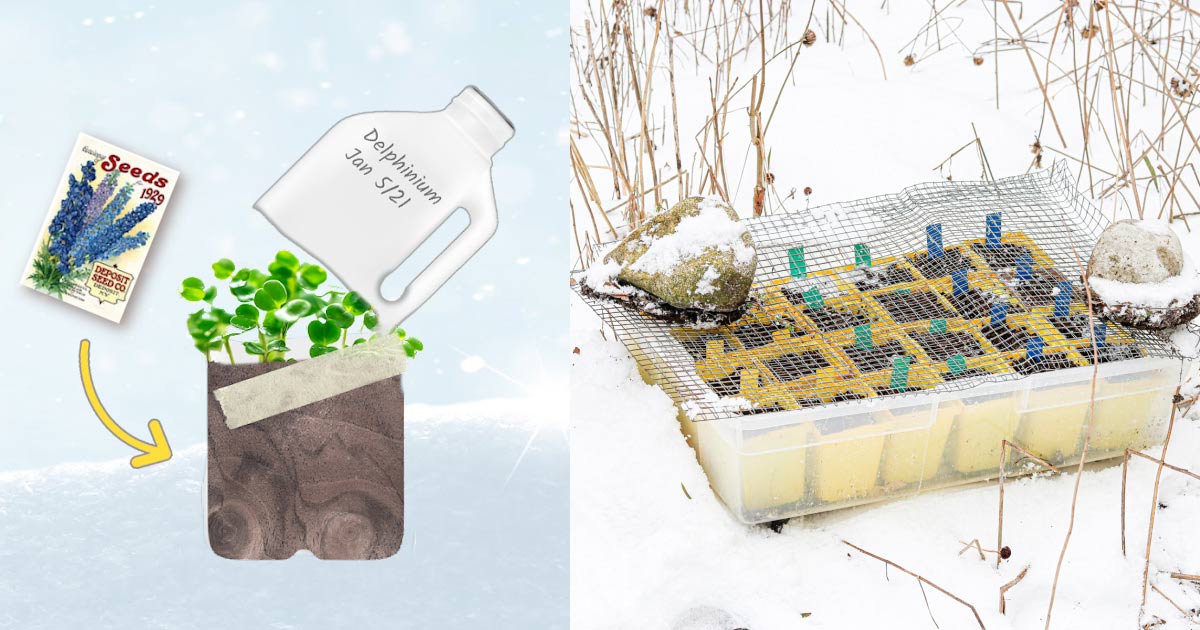
We call it “winter sowing” when we start seeds in containers outdoors during the cold months for spring germination.
There are two basic approaches:
- Sow in closed containers (like milk jugs) that act as mini greenhouses.
- Sow in open trays or containers protected with wire mesh.
Unlike direct sowing (sprinkling seeds on the soil in autumn), winter sowing methods tend to yield better results because the seeds are contained and protected. They don’t get washed away or eaten by animals. Plus, many types of seeds tend to sprout better in potting mix.
I share all my tips in this ebook if you’d like to try winter sowing in closed containers.
6Add Garden Art That Shines in Winter
- Create garden art that captures the beauty of winter.
My favorite time of year for garden art is winter. There’s nothing quite as lovely as garden art that glistens in the winter sun or moonlight.
These are a few favorites:
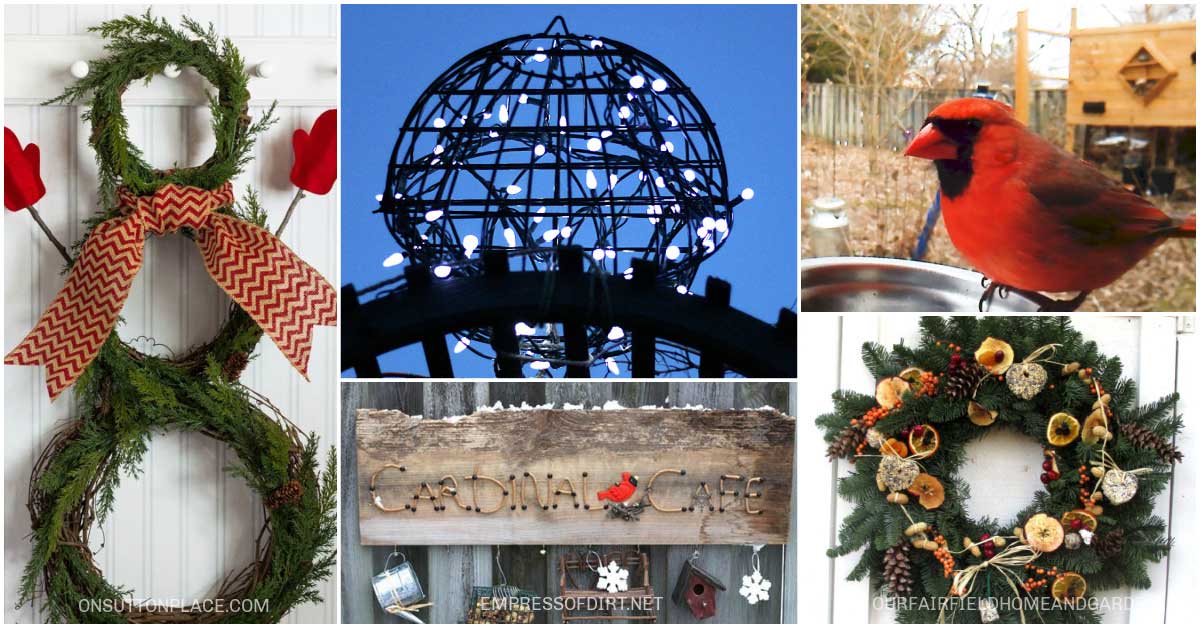
A garden art chandelier. It’s called a chandelier but it’s not hard-wired. I just love the look of the crystals and marbles glistening in the winter snow.
A DIY orb with lights. Made from metal wall planters held together with cable ties and lighted with subtle outdoor lights, mine sits on top of a garden arch.
7Welcome Wild Things
The best thing we can do is provide an abundance of natural habitat and food sources for wildlife to nurture the symbiotic relationship between plants and animals. All those dead and decaying leaves and twigs, plants, and flower seeds are so important to sustain life.
If feeding wild birds is permitted where you live, also consider creating a feeding station with food and water.
- Get feeders, a heated water dish, and a remote camera (for us).
My ideal setup has a variety of different feeders to accommodate different sizes of birds, along with a heated water feeder (usually called “heated birdbaths“) so they always have fresh water available. I also keep a pump running in my pond for this reason.
If you love watching birds, a bird feeder camera or wildlife camera are also very nice to have, especially if you don’t have a window near the feeding area.

Resources
Find Your Frost Dates & Hardiness Zone
Plant Hardiness Zones |  United States |
  Canada
These are listed on seed packets and plant tags to guide your choices.
Average Frost Dates | Use this calculator at Almanac.com. Enter your city and state or province to find your first and last frost dates and number of frost-free days.
Ecoregion | Learn about local native plants, animal species, and environmental conditions to make garden choices that benefit your ecosystem.
Learn More: Understanding Frosts & Freezing For Gardeners
Ebook
Winter Sowing
A Unique Milk Jug Method to Start Seeds Outdoors During Cold, Snowy Months
by Melissa J. Will
PayPal, Credit Card, Apple Pay
This ebook is a digital file (PDF format) you save to your device. It is not a physical product.
Empress of Dirt
FREE TIP SHEET
Fall Garden Checklist
File provides a handy checklist sorted by priority and best timing.

~Melissa the Empress of Dirt ♛